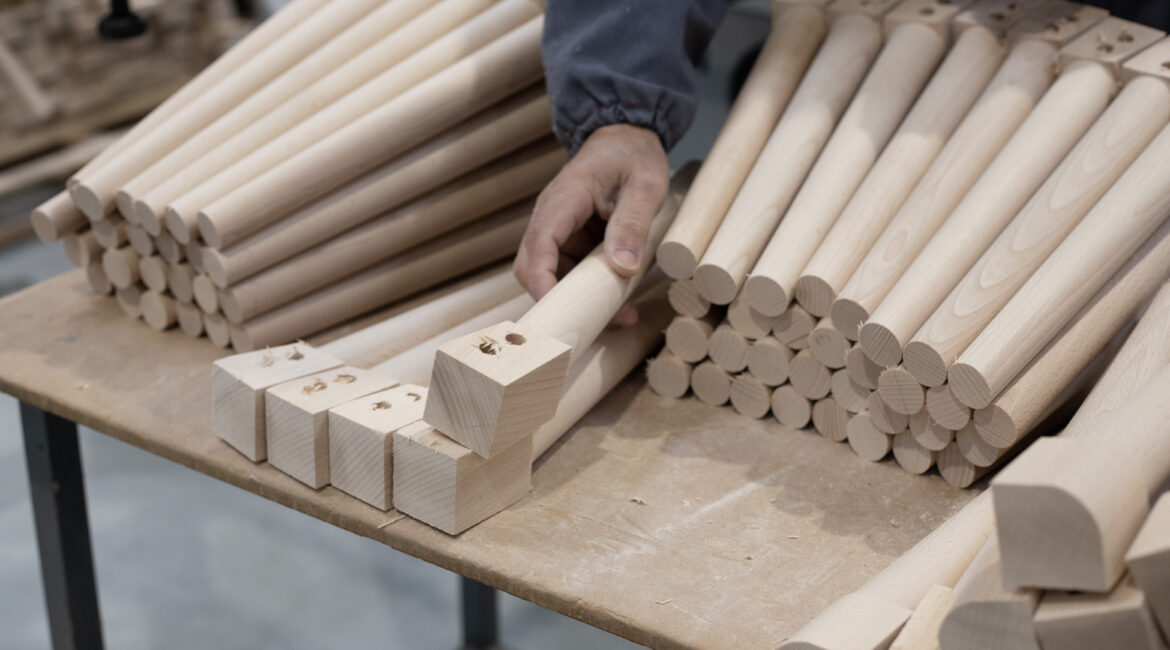
In the last few years, synthetic materials, ultra-minimal aesthetics, and very industrialized production have taken over the field of interior design. Modern spaces had a clean look and were made quickly, but now, there is a clear change happening: solid wood.
This is not simply a trend.
The renewed interest in solid wood furniture reflects a deeper change in how designers, brands, and consumers define quality, sustainability, and long-term value.
A Response to Over-Industrialized Interiors
For a long time, fast production and consistent materials shaped interior spaces. While efficient, this approach often resulted in environments that felt visually appealing but lacked personality.
Solid wood brings to these spaces what they’re missing:
- Natural textures;
- Unique grain patterns;
- Authentic imperfections.
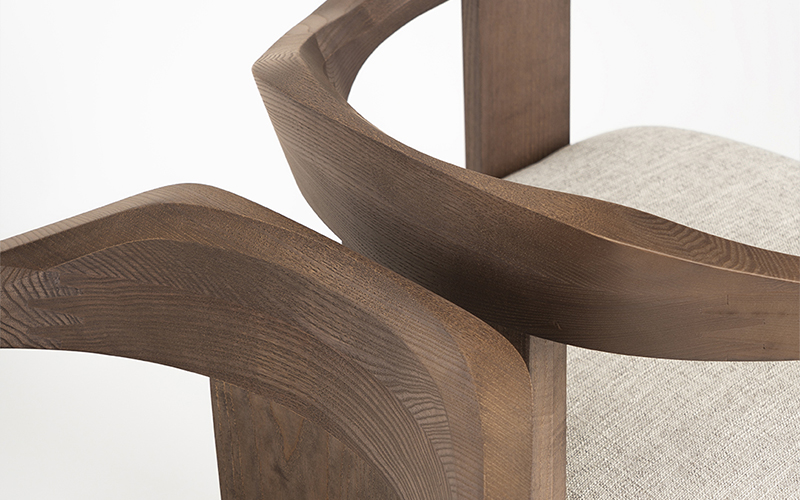
Unlike synthetic alternatives, solid wood materials bring depth and individuality into contemporary interiors, making each piece distinctive.
Solid Wood and the New Definition of Quality
The definition of design is changing. It’s not just about how things look anymore, it’s about what lasts. Materials that tell a story, get better with age, and give you a lasting experience.
This is where solid wood furniture stands apart.
Rather than fading over time, it evolves. The natural grain becomes more expressive, the surfaces grow deeper and richer, and the structure remains strong even with heavy use.
For manufacturers like Fenabel, this approach is not a trend, but a long-standing commitment. By combining traditional craftsmanship with contemporary design, we demonstrate that true value lies in durability, authenticity, and purpose.
Why Does Solid Wood Matter in Hospitality Projects?
In hospitality and contract environments, material choice directly impacts both user experience and operational efficiency.
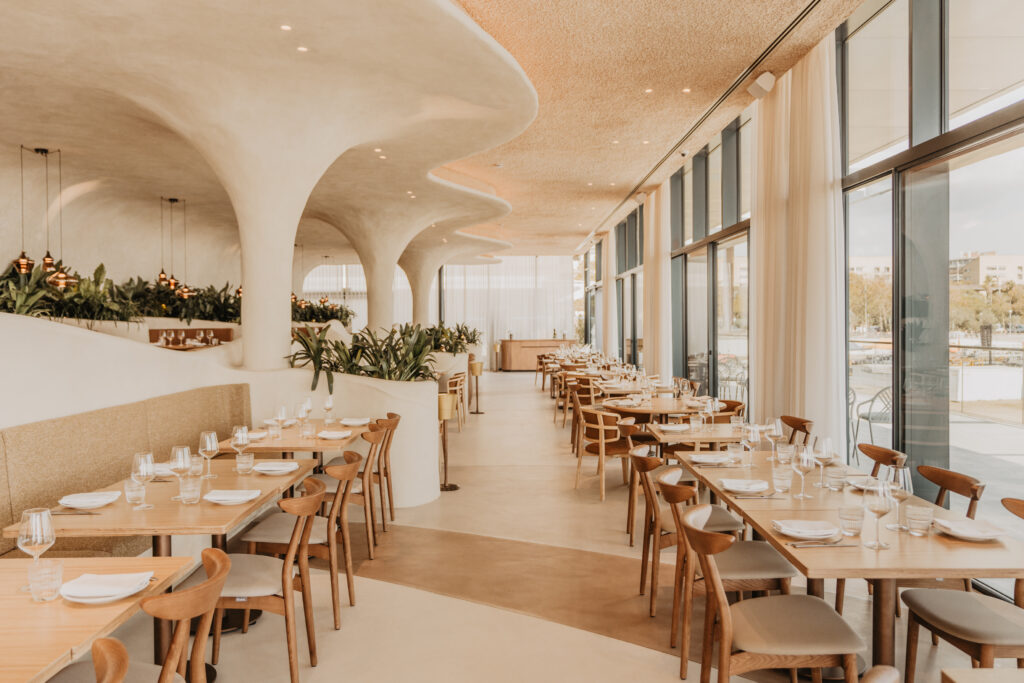
Solid wood chairs and furniture are increasingly preferred because they offer:
1. Strong identity
Each solid wood piece is unique, helping spaces stand out.
2. Warmth and comfort
Solid wood adds a sense of visual and tactile comfort that enhances guest experience.
3. Premium perception
Customers consistently associate solid wood furniture with higher quality and durability.
Sustainability
Sustainability is a big reason why solid wood is becoming popular again in interior design. What was once considered a preference is now an expectation, shaping how materials are selected and how spaces are designed.
When responsibly sourced, solid wood offers a more balanced environmental profile than many synthetic alternatives. Its durability allows for extended product lifecycles, reducing the need for frequent replacement and lowering long-term resource consumption. Over time, this permanence becomes one of its greatest environmental advantages.
In this context, solid wood furniture represents not only a design choice but a commitment to more conscious production and consumption.
Companies like Fenabel are reinforcing this trend by integrating solid-wood craftsmanship with increasingly responsible manufacturing practices. The wood used is certified by PEFC, ensuring sustainable forest management, while the company also complies with ISO 14001 and ISO 9001 standards, reflecting strong environmental management and quality assurance systems. Together, these practices demonstrate that performance, aesthetics, and environmental awareness can coexist in a single piece.
Beyond Minimalism: The Role of Solid Wood
Minimalism is evolving from reduction to intention, where the focus is no longer on having less but on choosing better materials.
In this shift, solid wood in contemporary interiors brings warmth, depth, and balance to spaces that might otherwise feel too sterile. Its natural quality softens sharp lines and makes a stronger link between modern design and the natural world.
For companies like Fenabel, this approach reflects a balance between precision and authenticity, where simplicity does not come at the expense of identity.
Conclusion
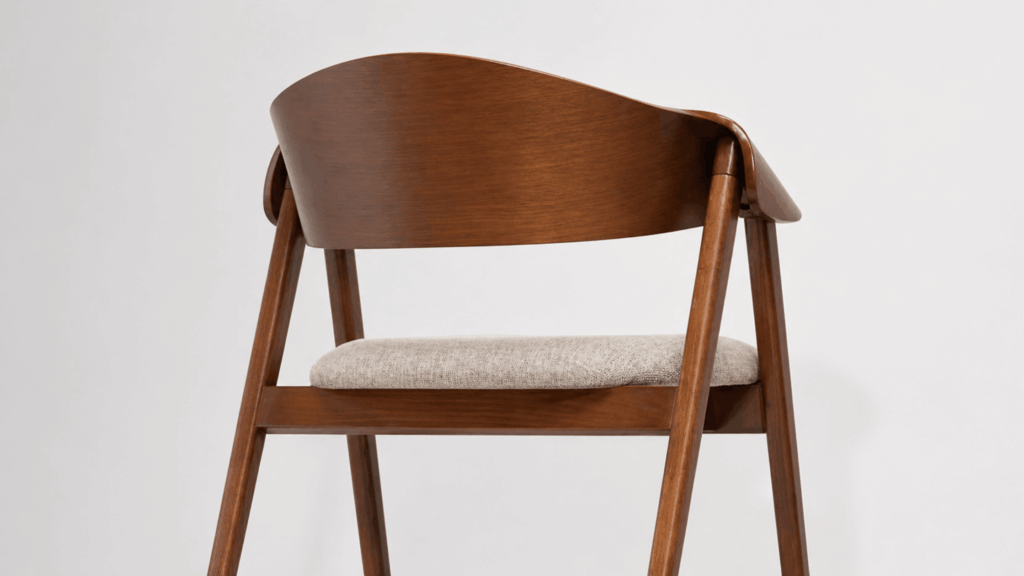
The return of solid wood is a shift in priorities within contemporary design. As the industry moves away from disposable materials, solid wood furniture is becoming a symbol of durability, authenticity, and long-term thinking.
This is not a new direction but a continuation of a long-standing commitment to quality, craftsmanship, and timeless design.
Visit fenabel.pt and follow Fenabel on Instagram, Pinterest, Facebook, and LinkedIn to discover our latest chair collections, design inspirations, and news from one of Portugal’s leading chair manufacturers.